
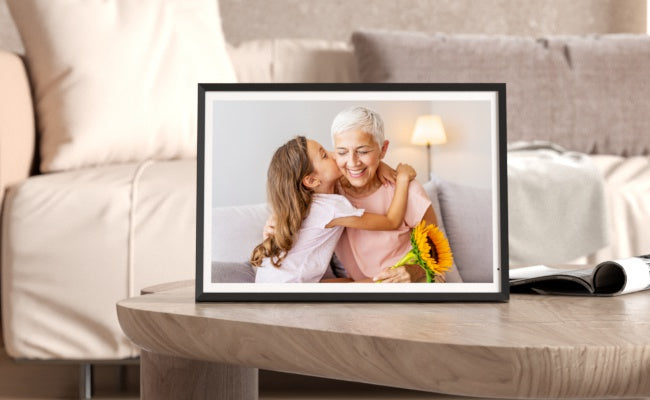



Transforming Your Android Device into a Dynamic Digital Picture Frame
In an age where our smartphones and tablets are constantly upgraded, many of us have older Android devices gathering dust in drawers. What if you could breathe new life into that retired gadget, transforming it into a beautiful, dynamic display for your cherished memories? The concept of using an Android device as a digital picture frame is not only practical but also a wonderfully sustainable way to repurpose technology.
The journey begins with understanding the core concept. An Android photo frame is simply an Android phone or tablet that runs a dedicated application to display a slideshow of your images. This approach offers significant advantages over traditional, single-purpose digital frames. Your old device likely has a superior, high-resolution screen, more sophisticated processing power, and a seamless connection to your cloud storage services like Google Photos, Dropbox, or Amazon Photos. This connectivity is the magic ingredient, allowing your frame to automatically update with new pictures without you ever having to manually transfer files.
Choosing the Right Android Digital Picture Frame App
The heart of this transformation is the software. A simple search in the Google Play Store reveals a plethora of apps designed specifically for this purpose. When selecting a digital photo frame Android app, you should look for certain key features. A robust application will offer smooth transition animations, customizable display intervals, and support for both portrait and landscape orientations. More advanced options might include the ability to play music alongside your photos, display the weather or time, and, crucially, the option to keep the screen on indefinitely while plugged in.
I recall setting up my first Android digital photo frame using an old tablet. The default gallery app was limited, often dimming the screen or going to sleep. After testing several dedicated apps, I found one that allowed me to create a curated album from my cloud storage, set a gentle cross-fade transition between pictures, and, most importantly, bypass the tablet's sleep settings. The result was a vibrant, ever-changing gallery of family vacations and everyday moments that sat on my living room shelf, bringing a surprising amount of joy to my daily routine.
The Practical Setup: From Device to Display
Transforming your device is a straightforward process. First, ensure your Android picture frame candidate is fully wiped and updated to a stable version of its operating system. This clears personal data and ensures security. Next, charge the device fully and plan for its permanent power source. Since it will be running continuously, keeping it plugged in is essential to prevent battery degradation over time. Many users find success with official or high-quality third-party chargers to ensure safe, long-term operation.
After installing your chosen android digital picture frame app, the next step is curation. Will you display a random assortment from your entire photo library, or would you prefer a specific album, like 'Summer 2023' or 'Baby's First Year'? Using cloud albums gives you remote control; you can add new photos to that album from your current phone, and they will automatically appear on the frame. This is a level of convenience and dynamism that standalone frames struggle to match.
Optimizing Your Display for Longevity and Visual Appeal
To get the most out of your new creation, a few optimization tips are invaluable. To prevent screen burn-in—a phenomenon where static elements can become permanently faintly visible on some screens—enable any 'slide show' or 'shuffle' features. This ensures no single image stays on screen for too long. Furthermore, adjust the display's brightness to suit the room's ambient light. A screen that is too bright in a dim room can be harsh, while one that is too dim in a sunny room will be hard to see. Some apps offer automatic brightness adjustment based on the time of day.
Consider the physical placement as part of your home's decor. You can purchase simple stands designed for tablets or get creative with DIY solutions. The goal is to integrate the frame seamlessly, making it look intentional rather than like a discarded piece of tech. Turning off all notifications and sounds from other apps is a critical final step. The last thing you want is a serene slideshow of a beach holiday interrupted by a loud notification ping for a system update.
Why This Approach Stands Out
Choosing to use an Android device with a dedicated digital photo frame android app offers a compelling blend of quality, intelligence, and eco-friendliness. You are leveraging a high-quality screen that you already own, reducing electronic waste. The intelligence comes from the deep integration with modern cloud ecosystems, creating a living photo album that grows with you. Finally, it is a deeply personal and customizable project. You are not limited by the software or hardware of a commercial frame; you can switch apps, change sources, and tailor the experience perfectly to your taste.
This method represents a shift from viewing old devices as obsolete to seeing them as potential hubs for nostalgia and connection. It is a simple project with a powerful payoff: a window to your happiest memories, displayed prominently in your home, powered by a piece of technology that has been given a beautiful and meaningful second act.
