


Beyond the Border: How the Right Photo Frame Can Elevate Your Images
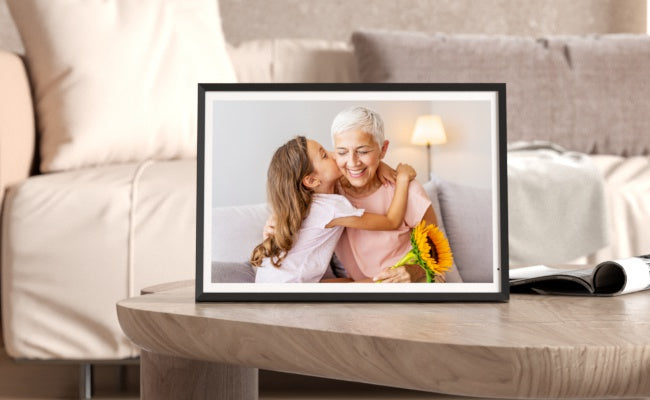
When we think about editing a photograph, our minds often jump to adjusting colors, cropping, or applying filters. However, one of the most impactful yet frequently overlooked tools is the humble photo frame. The act to edit photo with frame is not merely about placing a border around an image; it's a deliberate compositional choice that can define mood, draw focus, and complete the visual story. Whether you're preparing a print for your wall, crafting a social media post, or creating a digital album, understanding how to effectively use a photo frame and editor in tandem is a skill that separates casual snapshots from polished presentations.
The Strategic Role of a Photo Frame in Editing
A frame is far more than decoration. In the context of digital editing, it functions as a powerful compositional element. A well-chosen frame can act as a visual pause, separating your subject from a busy background or the clutter of a social media feed. It can reinforce a theme—a rustic wooden border for a landscape, a sleek metallic line for a modern portrait, or a playful hand-drawn edge for a family moment. The process to edit photo frame involves considering color harmony, weight, and style to ensure the border complements rather than competes with your image. Evidence from basic design principles shows that borders can increase perceived value and direct the viewer's eye inward, making your central subject the undeniable focal point.
Choosing Your Tools: Photo Frame and Editor Workflows
The market is rich with software, from dedicated mobile apps to comprehensive desktop suites, that offer robust features to picture edit frame. Your choice depends on your desired outcome and workflow. Many all-in-one photo editors include framing modules that allow you to adjust thickness, color, texture, and even add matting effects similar to a physical picture frame. For those seeking precision, editors with layer capabilities let you build custom frames, blending multiple elements for a unique look. The key is to select an editor that provides control and variety, enabling you to match the frame to the photograph's emotion and intent, rather than applying a one-size-fits-all solution.
Avoiding Common Pitfalls in Framing
As with any editing tool, it's possible to overdo it. An overly ornate or thick frame can overwhelm a delicate image, while a misaligned border can make a photo feel unbalanced. The goal when you photos frames edit should be enhancement. It's generally advisable to avoid frames that are brighter or more saturated than the main subject, as they pull attention to the edge. Furthermore, consider the final display context. A frame that looks perfect on a phone screen might feel clunky when the image is viewed on a desktop monitor or printed. Testing different weights and styles at the intended viewing size is a crucial step often supported by the 'preview' functions in quality editing software.
From Personal Archive to Polished Gallery: A Practical Journey
I recall working with a series of travel photographs from a trip to Kyoto. The images were beautiful but felt disconnected as a set. By using a consistent, simple dark grey frame across all selects, I was able to create a cohesive gallery feel, as if each image was displayed in the same quiet gallery space. This unified approach to edit photo with frame transformed a scattered collection into a deliberate narrative series. The frame acted as a subtle cue to the viewer that these images belonged together, elevating the entire project from a personal archive to a curated visual story. This experience underscored that framing is as much about curation and presentation as it is about the individual image.
Advanced Techniques: Framing as a Creative Layer
For those ready to move beyond basic borders, explore using frames to create depth. Simulating a matte—the cardstock border inside a physical frame—within your editor can add sophistication. Another technique involves using the frame itself to incorporate context, like a polaroid-style border with a space for a handwritten caption. Some creators use fragmented or irregular frame shapes to create a dynamic, modern feel. These advanced applications require an editor with flexible layer styles and blending options, demonstrating how a sophisticated photo frame and editor toolkit can become a core part of a creative digital art process, not just a final finishing step.
Crafting Your Final Presentation
Mastering the art of the photo frame is about developing a critical eye for completion. It's the final decision in the editing pipeline that asks, 'How is this image presented to the world?' The most effective frames feel inevitable, as if the image was always meant to be viewed that way. They provide closure and context. As you build your skills, you'll start to see framing not as an afterthought but as an integral part of the visual communication process. By thoughtfully choosing how to edit photo frame, you take full control of your image's impact, ensuring that the viewer's experience begins and ends exactly as you envisioned.
