
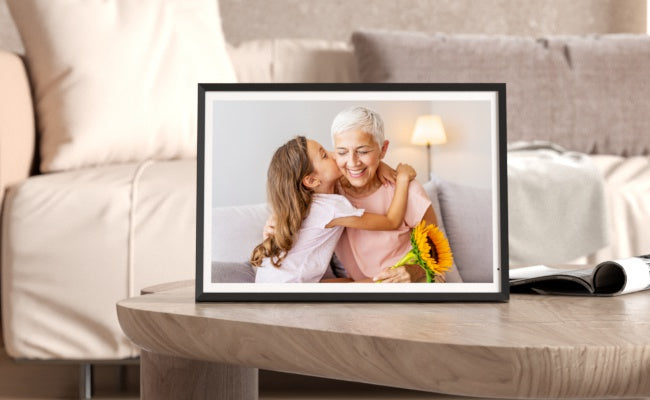



The 8x10 Family Frame: More Than a Border, It's a Storyteller
In the world of home decor and personal memorabilia, few items hold as much quiet power as a well-chosen picture frame. Among the standard sizes, the 8x10 family frame occupies a unique and versatile position. It's large enough to command attention and showcase detail, yet standard enough to be practical. But selecting the right frame for your cherished 8x10 photographs involves more than just picking a pretty border. It's about preservation, presentation, and creating a cohesive visual narrative in your home. This guide will walk you through the considerations and best practices for choosing and using 8x10 frames to honor your family memories.
Understanding the Role of the 8x10 Format
The 8x10 inch print is a classic for good reason. It's a common output for professional portraits, school photos, and high-quality amateur shots. Its proportions are pleasing to the eye, offering ample space for group shots without overwhelming a side table or bookshelf. When you place an 8x10 image into a frame, you are effectively elevating it from a simple photo to a displayed artifact. The frame acts as a window, focusing the viewer's attention and signaling that this moment is worth pausing over. Whether it's a multi-generational portrait, a wedding party shot, or a candid moment from a vacation, the 8x10 family frame provides the stage.
Key Considerations for Selecting Your Frame
Choosing an 8x10 frame is a balance between aesthetics, preservation, and environment. Here are the primary factors to weigh.
Material and Construction: Durability Meets Style
Frame materials directly impact both longevity and look. Solid wood frames, such as oak, walnut, or maple, offer timeless strength and can be stained or painted to match any decor. They provide excellent support for the glass and backing. Metal frames, often aluminum, offer a sleek, modern profile and are typically lightweight and resistant to warping. For a more casual or cost-effective option, composite wood or plastic frames can be suitable, especially for less formal displays or children's rooms. The key is to ensure the frame is well-constructed with secure corners to hold the contents firmly in place.
Matting: The Unsung Hero of Presentation
A mat is the cardboard border that sits between the photo and the glass. For an 8x10 photo, using a mat is highly recommended. It prevents the photo from touching the glass, which can lead to moisture damage or sticking over time. Aesthetically, a mat gives the image "room to breathe," enhancing its visual impact. A standard 11x14 frame with an 8x10 opening is a classic combination. You can choose a single or double mat in a color that complements both the photo and the room. A crisp white or off-white mat is a safe, elegant choice that works with most images, while a colored mat can draw out specific tones within the photograph.
Glazing: Protecting Your Memories from Light and Time
The clear cover over your photo is critical. Standard picture frame glass is affordable but reflects light and offers no protection from ultraviolet (UV) rays, which can cause fading. For any photograph you value, especially those displayed in sunny areas, upgrading to acrylic or glass with UV-filtering properties is a wise investment. These materials block most harmful rays, significantly slowing the fading process. Acrylic is also lighter and safer than glass, making it a good choice for frames in children's rooms or high-traffic areas.
Style and Finish: Complementing Your Home's Character
The frame's style should harmonize with both the photograph's tone and your interior design. A ornate, gold-leaf frame might perfectly suit a formal wedding portrait, while a simple, unfinished wood frame could be ideal for a rustic family cabin photo. Consider the room where the frame will live. A collection of matching 8x10 frames in a gallery wall creates a unified look, while a mix of complementary styles and finishes can add eclectic charm.
Creating a Cohesive Display with Multiple 8x10 Frames
One of the greatest strengths of the 8x10 size is its adaptability for grouping. A gallery wall of family memories is a powerful design statement.
The Gallery Wall: A Tapestry of Family History
When assembling a gallery wall, planning is essential. Lay your frames on the floor first to experiment with arrangements. You might choose a symmetrical grid for a clean, modern feel, or an organic cluster for a more dynamic look. Consistency is helpful but not mandatory; using frames of the same color (e.g., all black or all natural wood) but different textures can create unity with variety. Alternatively, using identical 8x10 frames creates a rhythm that lets the photographs themselves be the variable element.
Thematic Groupings: Telling a Broader Story
Instead of a random assortment, consider grouping 8x10 frames thematically. You might create a "generations" column with portraits of grandparents, parents, and children. A vacation wall can tell the story of a special trip. A chronological series of annual school photos shows a child's growth in a compelling way. This approach elevates your display from mere decoration to a curated family archive.
A Personal Note on the Practice
For years, I kept my favorite family photos in a box, intending to frame them "someday." The shift happened when I inherited a simple, walnut 8x10 frame. I placed a black-and-white photo of my grandparents inside it and set it on my desk. The act of framing that single image changed it from a stored memory to a daily presence. It prompted conversations with my own children about their great-grandparents. That one frame started a project: I now have a dedicated shelf with a series of 8x10 frames, each holding a portrait of a different family member. It’s not a fancy display, but it serves as a tangible, daily connection to our shared history. The consistency of the 8x10 size gives the collection order, while the individual expressions in each photo tell the unique stories.
Final Recommendations for Your Family's Frames
Based on common practices for preserving and displaying photographs, here is a concise set of guidelines. For irreplaceable or professionally taken 8x10 family portraits, invest in a frame with UV-protective glazing and acid-free matting. This combination offers the best defense against environmental damage. When hanging frames, avoid direct sunlight and areas with high humidity, like bathrooms. For a polished look, ensure the wire or hook on the back is securely attached and that the frame hangs level. Finally, don't be afraid to update your displays. Rotating photographs in your 8x10 frames seasonally or as new memories are made keeps your home's visual narrative fresh and engaging. The right 8x10 family frame does more than hold a picture; it honors a moment, connects generations, and turns your walls into a gallery of your life's most meaningful chapters.
