
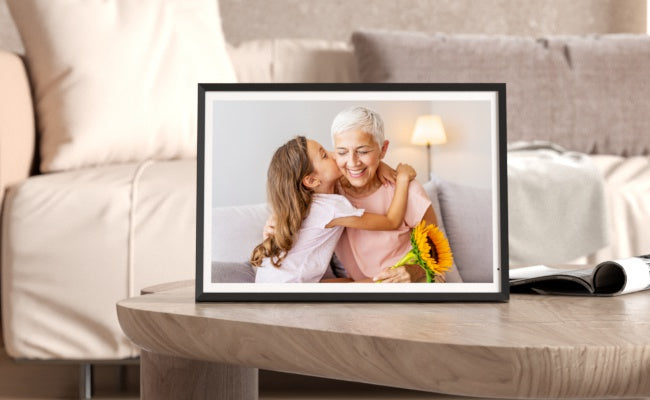



The Perfect Portrait Frame: Your Guide to Choosing with Confidence
Selecting the right frame for a portrait is a decision that extends far beyond simple decoration. It is the final, crucial step in presenting a cherished image, whether it's a family photograph, a commissioned painting, or a treasured heirloom. The frame you choose acts as a bridge between the artwork and its environment, influencing how the portrait is perceived, protected, and preserved for years to come. This guide will help you navigate the key considerations, from style and material to conservation and personal taste, ensuring your choice enhances the portrait's story rather than competing with it.
Understanding the Core Functions of a Portrait Frame
A well-chosen portrait picture frame serves three primary purposes: aesthetic enhancement, physical protection, and contextual placement. Aesthetically, the frame should complement the portrait's mood, era, and color palette. It should have a visual weight and style that feels appropriate—a delicate watercolor portrait often calls for a simpler frame than a bold, textured oil painting. For protection, the frame's construction, the quality of its backing, and the use of proper glazing (glass or acrylic) shield the artwork from dust, moisture, and ultraviolet light. Finally, the frame helps situate the portrait within your space, creating a harmonious connection with your room's decor and architecture.
Key Considerations for Your Selection
Style and Period Alignment
The most harmonious choices often come from aligning the frame style with the portrait's character. A traditional oil portrait painting frame, perhaps with an ornate gold leaf or wood finish with detailed carving, can honor the classical technique. For modern photography, a sleek, minimalist portrait photo frame in a neutral metal or a simple, unfinished wood can provide a clean, contemporary border. Don't be afraid to mix periods thoughtfully; a vintage photograph can look stunning in a simple, modern frame, creating an interesting dialogue between old and new.
Material and Construction Quality
The material of your frame dictates its durability, appearance, and cost. Solid wood frames offer warmth and can be stained or finished in countless ways. They are a classic choice for both paintings and photographs. Metal frames, typically aluminum, provide a slim profile and are excellent for a gallery look. For a truly archival portrait picture frame, look for features like acid-free mats and backing, UV-filtering glass (to prevent fading), and proper mounting techniques that do not damage the artwork. A well-constructed frame will feel substantial and have clean, secure joins.
Color, Width, and Proportion
The frame's color should draw the eye into the portrait, not distract from it. Often, selecting a color pulled from a secondary element within the portrait itself (a hint of clothing, a background shade) is more effective than matching the dominant color. The width of the frame is a matter of proportion and emphasis. A very large portrait can often support a wide frame, while a smaller piece may need a narrower profile to avoid overwhelming the image. The matting, if used, plays a critical role here, providing a visual breathing space between the image and the frame.
A Note on Conservation and Protection
If your portrait holds significant monetary or sentimental value, conservation framing is non-negotiable. This involves using all acid-free and lignin-free materials in the matting and backing to prevent chemical degradation and "mat burn" on the artwork over time. UV-protective glazing is essential to guard against sunlight fading. For a portrait painting frame, especially for canvases, ensure the framing method allows for some natural expansion and contraction of the canvas and does not pin or glue the artwork in a way that cannot be reversed by a professional later.
Personal Experience: Finding the Right Fit
I once inherited a beautiful charcoal portrait of a relative from the early 1900s. It was housed in a crumbling, overly ornate gilded frame that felt heavy and disconnected from the drawing's soft, intimate nature. After consulting a framer, we chose a simple, deep-profile walnut frame with a slim, off-white mat. The warm tone of the walnut picked up the subtle shadows in the drawing, and the mat provided a clean, respectful border. The change was remarkable; the portrait suddenly felt more personal and immediate, as if the subject had stepped closer. The new frame protected the fragile paper while allowing its quiet beauty to take center stage. This experience taught me that the right frame doesn't just hold the art—it listens to it.
Final Recommendations for a Confident Choice
Begin by considering the portrait itself as the primary guide. Live with it unframed for a day or two, observing its colors and mood. When shopping, bring a high-quality photo of the portrait with you, or, better yet, bring the artwork to a reputable framer for a consultation. Don't rush the decision. Hold potential frames up to the portrait, observing how your eye travels. Does the frame contain and complement, or does it fight for attention? For heirloom pieces, invest in conservation materials. For a more casual portrait photo frame, focus on style harmony and good construction. Remember, the goal is to create a cohesive presentation where the portrait, the frame, and the space it occupies feel like they belong together. Your chosen frame should feel like a natural extension of the portrait's story, a respectful and beautiful setting for a memory or masterpiece.
